Education

Navigating the Full Spectrum of Care: An Approach to Health Journeys
Practical ways to stay cool, safe, and healthy during the hottest months of the year
December 29, 2025
In our evolving healthcare landscape, it’s not enough to simply provide isolated services. What really matters is how those services connect from the moment someone needs help, through recovery, and into long‑term well‑being. This is the essence of a true continuum of care.
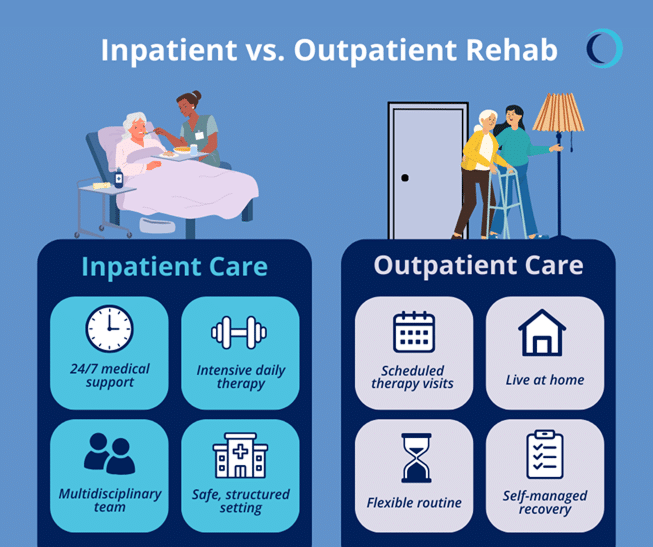
Skilled Nursing and Rehabilitation: From Facility to Home
Recovery doesn’t stop when a patient walks out the door of a facility. The shift from institutional care to home-based care is a vulnerable moment, one that must be handled with coordination, clear communication, and support.
Here’s what makes a smooth transition:
- Home health services that mirror the infacility care: skilled nursing, therapy, wound or IV management, fall‐risk assessments.
- A single point of contact, or care coordinator, who ensures medication changes, therapy goals, and follow-up appointments are clearly understood by the patient and family.
- Home safety review and modifications if needed (ramp installation, grab bars, bathroom adjustments) to reduce the risk of rehospitalization.
TheraCare: Long‑Term Support and Well‑Being
Once the immediate recovery phase has passed, the focus shifts to sustaining health, preventing relapses, managing chronic conditions, and enhancing quality of life. This is where long‑term care, assisted living, or specialized memory care may enter the picture. But it also involves proactive primary care and wellness services:
- Routine checkups and preventive screenings.
- Chronic disease management (diabetes, heart disease, kidney conditions).
- Medication management to avoid interactions, duplication, or gaps in treatment.
- Social, emotional, and spiritual support the “whole person” side of care.
Through close collaboration with patients, families, and physicians, our home health team delivers coordinated, personalized care that promotes independence and enhances overall well-being.
Elysian Hospice: End‑of‑Life and Comfort‑Focused Care
A truly complete continuum of care recognizes the final phase of life, when the focus shifts from cure to comfort, dignity, and meaning. In this stage:
- Hospice care provides expert management of pain and symptoms while supporting emotional, spiritual, and social needs for both patients and their families.
- Seamless coordination among hospice teams, home health providers, and other support services ensures comprehensive care tailored to individual needs.
- Family support and legacy planning help loved ones navigate grief, access counseling, and preserve meaningful memories, ensuring care continues even after the patient’s passing.
Elysian Hospice provides compassionate, dignified care, honoring each individual’s needs and comfort wherever they call home.
Pharmacare: Why Coordination Matters
Too often, care is fragmented: one provider doesn’t know what the other is doing; the patient’s story gets lost in hand‑offs; medications get changed without full context. A seamless continuum of care depends on:
- Shared electronic health records (EHRs) and clear documentation across settings.
- Dedicated care coordinators or case managers who track transitions, follow‑ups, and patient/family education.
- A unified philosophy of care: one that says, “we’re on the same team.”
- A focus on outcomes: reduced hospital readmissions, fewer medication errors, better patient satisfaction, improved functional status.
With over 20 years of expertise in the pharmacy field, Pharmacare, streamlines medication management to improve patient outcomes and increase overall efficiency.
Advanced Primary Care Practice: The Value for Patients & Families
What does this continuum of care look like in an SNF setting?
- Peace of mind: Care plans are coordinated, so every next step—whether treatment, therapy, or follow-up—is clear and proactive.
- Time saved: Fewer unnecessary appointments and tests thanks to centralized oversight and communication.
- Better health and independence: Early intervention and ongoing monitoring help prevent complications, maintain mobility, and support daily function.
- Telehealth access: Virtual visits allow timely physician consultation, rapid response to concerns, and reduced hospital transfers.
- Cost efficiency: Coordinated care prevents avoidable complications, reduces redundant services, and optimizes resources.
- Dignity: Respect and individualized attention at every stage—from rehabilitation and aging to end-of-life care.
The APCP model ensures continuous, coordinated care in SNFs, improving patient outcomes, reducing hospitalizations, and enhancing quality of life for both residents and their families.
ProCare Advantage: Designing for Local Needs
ProCare Advantage is a physician-led Medicare Advantage organization delivering coordinated, value-based care, with a focus on preventive services, chronic condition management, and personalized support where members live.
- ProCare Diabetes and Kidney Plans are available only in select regions, including the Dallas-Fort Worth area. The ProCare HMO-POS-I-SNP plan is exclusively for residents in long-term care facilities where ProCare provides services.
- Working hand-in-hand with skilled nursing, home health, and hospice, our medication services keep care consistent, safe, and streamlined across all settings.
- A therapy program designed for both facility and home settings ensures continuity.
In Summary
From skilled nursing and post-acute rehab to home-based care, long-term support, and end-of-life comfort, the continuum of care is all about connection, coordination, and compassion. When each phase works seamlessly with the next, patients experience a smoother journey, families feel supported, and outcomes improve, making every step of care more meaningful and effective.
Other Blogs
News


Recent Blogs